About
A quieter approach to organising knowledge
Sortjunglecompassrn is an independent guide for researchers, students and knowledge workers who would rather find things again than collect more of them.
Start with one retrieval problem
Why we exist
Advice about personal knowledge management often arrives with big promises: a second brain, effortless creativity, total recall. Some of it is genuinely useful. Much of it encourages building elaborate systems that are abandoned within months.
We take a narrower view. A knowledge system succeeds when it helps you recover a source, understand a connection or resume unfinished thinking. Everything on this site is written to serve one of those three outcomes.
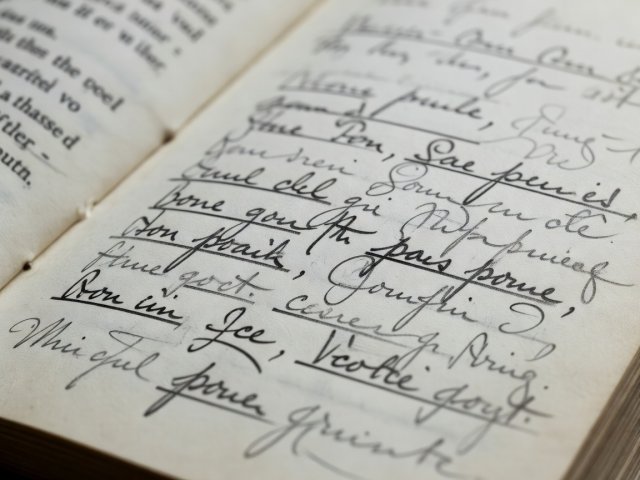
How we write
Plain definitions
When we use a term like "atomic note" or "concept map", we define it in ordinary words and say where it comes from.
Realistic limits
Every guide includes what a technique will not do. Falling behind is normal; we design for it.
Fictional examples
Our example notes and diagrams are invented and labelled as such. We never publish real personal data.
No paid rankings
We mention software by name when it helps, but we accept no payment for placement and are not affiliated with any vendor.
Who publishes this site
The site is published by Sortjungle Compass Publishing Ltd, a small independent company registered in England and Wales (company number 15829460), with its registered address at 41 Bridge Street, Cambridge CB2 1UW, United Kingdom.
Our guides draw on long-standing work in information management and study skills, including John Locke's method for commonplace books, Vannevar Bush's 1945 essay on the memex, Walter Pauk's Cornell note-taking system, Joseph Novak's concept maps and Niklas Luhmann's slip-box. We aim to credit ideas to their sources and to correct errors promptly.
If you spot a mistake or have a retrieval problem you would like us to write about, please get in touch.